
This is something I wrote 12 years ago, about a magical walk on Llangoed common in Wales. I’ve been thinking about it a lot recently, and it’s the right time of year for it.
Lunar standstill at Callanish
I first encountered the idea of lunar standstills at the Callanish stone circle on the Isle of Lewis in the Outer Hebrides. The story is that every 18.6 years, the moon goes through a major standstill, where it rises only a few degrees, and appears to roll along the horizon. From the viewpoint of Callanish, the moon runs along hills which have the appearance of a woman lying on her back, the so-called Sleeping Beauty or Cailleach of the Moors. After a few hours the moon sets, and then momentarily it re-appears silhouetted in a valley on the horizon. If you stand outside the circle of Callanish, the moon passes among the stones. The last major standstill was in 2006, and so the next one is due in 2025, although the effects can be seen now!
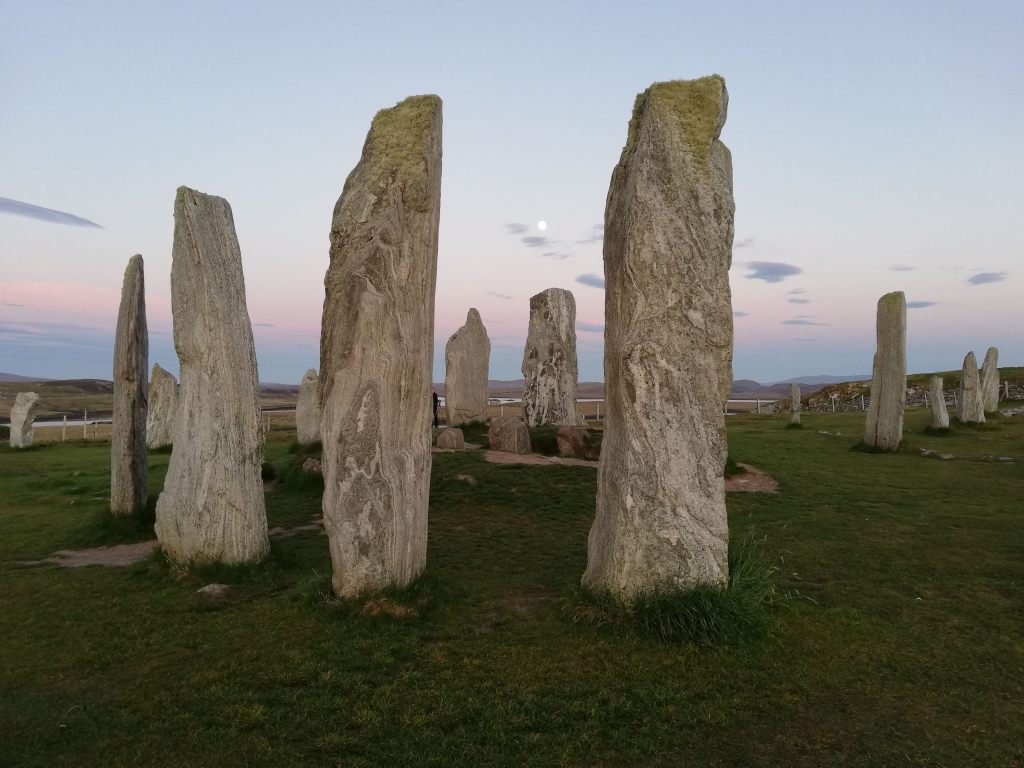
Shown below is a picture I took of the stones at Callanish with the moon behind them when I visited in May 2019. The moon was quite high at the time (peaking at around 20° above the horizon). During a standstill the moon only rises to about 3°, and because it is close to the horizon, it appears much larger!
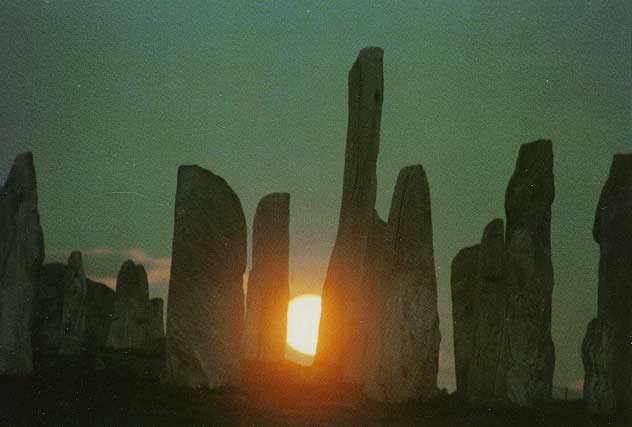
Shown below is a photo showing what the moon looks like at the standstill, with a full moon walking through the stones. (Photo from the late Margaret Curtis at https://www.geo.org/callan.htm.).
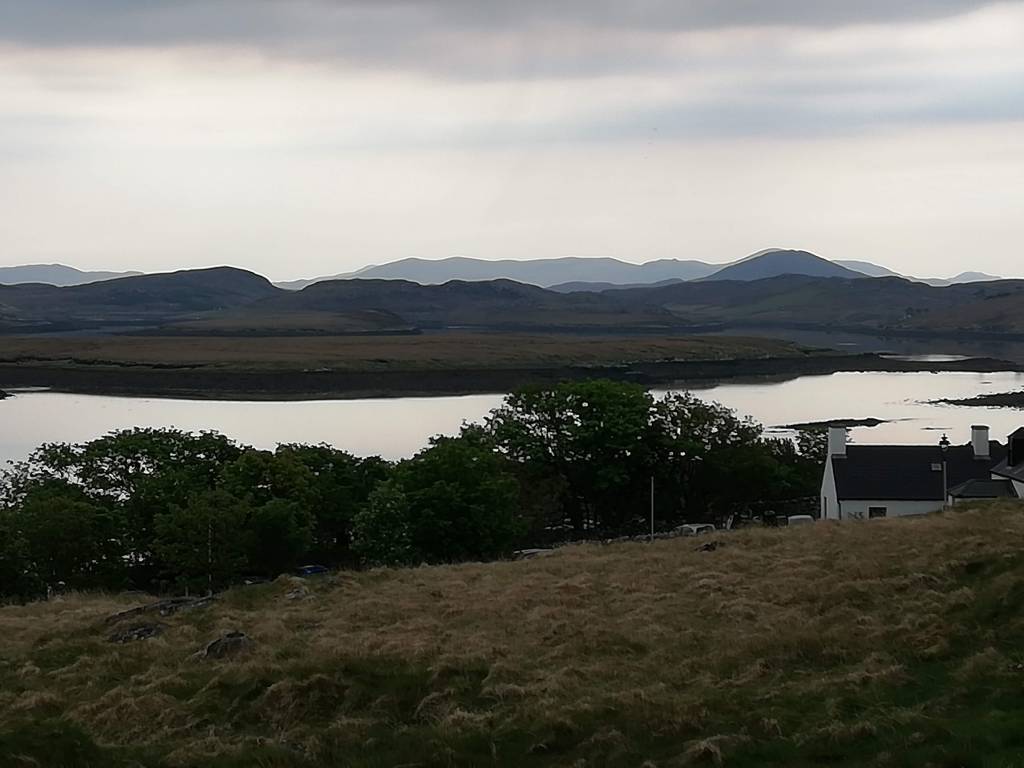
Shown below is a photo I took of the Sleeping Beauty hills from Callanish. I think the grey ones in the background are the woman, with her head to the right, laying against the ‘pillow’ of the closer hills. As you move around the island, you can still see the woman, although the outline changes a bit. From nearby Achmore stone circle, for example, the arrangement of hills makes her appear pregnant. You might like to read Jill Smith’s article on walking the Sleeping Beauty Mountain: https://goddess-pages.co.uk/galive/issue-19-home/walking-the-sleeping-beauty-mountain/
Where else do we see the standstill?
The major lunar standstill can be seen everywhere. If you are much further north than Callanish, the moon sometimes doesn’t rise at all at the standstill. At lower latitudes the moon rises higher, but still at a minimum altitude. In London for example the moon rises to about 9°, less impressive but still worth watching. If you’re in the southern hemisphere, then you get the same effect, but at a different time of year.
When can we see the standstill?
We are talking about a long (18.6 year) cycle, and so we can see the effects of the standstill (at least to some extent) for a few years on either side of the main date. We can see an echo every month (well, every 27.21 days) when the moon is at the right place in its orbit. Of course it isn’t noticeable every month, because sometimes the moon is rising in daylight or is a very thin crescent. It’s more noticeable when the moon is full. For this sequence we get a good chance of seeing it this year on 21st/22nd June 2024, and next year on 11th/12th June 2025. Details are included at the end of this article. Of course you have to have clear weather to see it properly!
Why 18.6 years?
Understanding the interval of 18.6 years between major lunar standstills is tricky (and I’m still not 100% sure I understand it), so you can skip this bit if you like!
We have to look at the way the moon goes round the earth, and the earth goes round the sun. The diagram below illustrates the orbits. The earth (green) goes around the sun, each orbit taking a year. The plane of the earth’s orbit, called the ecliptic, is shown in yellow. The moon (blue), goes round the earth, but its (blue) orbit is not in the same plane as the ecliptic – it is tilted, by about 5.1˚ So, during one orbit, as it goes around the earth, the moon rises above the ecliptic plane, and then falls below it. The two points where it crosses over the ecliptic are called the lunar nodes: the ascending node (AN in the diagram) and the descending node (DN). The moon takes 27.21 days to make a full orbit through the nodes (this is called a draconic month).
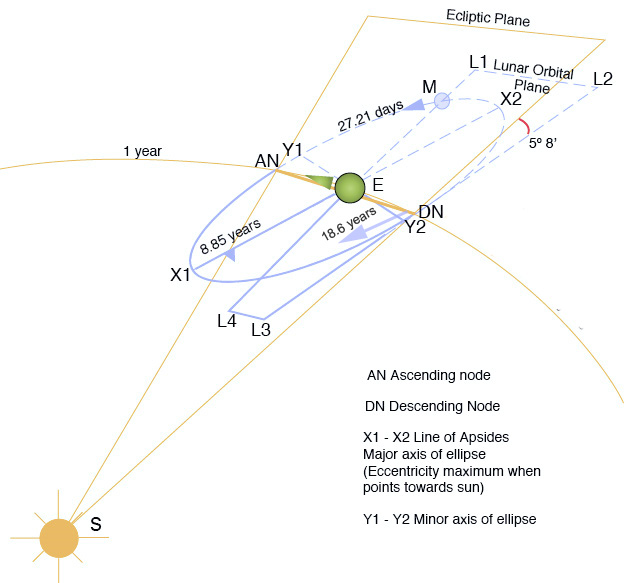
From https://en.wikipedia.org/wiki/Orbit_of_the_Moon
The orientation of the tilt in the moon’s orbit about the earth changes over a period of about 18.6 years. In the diagram as shown, the line joining the nodes is more or less perpendicular to the earth-sun line. But this line rotates so that, about 9 years later, the two nodes will line up with the sun-earth line. This is important for predicting eclipses, because an eclipse can only take place when the sun, moon and earth are aligned, which only happens if the moon is in the plane of the ecliptic (at one of the nodes).
But for major lunar standstills, we’re interested in the points where the line between the nodes is as shown in the diagram. This is because the moon in its orbit is reaching as far as it can above and below the ecliptic.
The diagram below illustrates what we see on earth. Each night the moon rises somewhere in the east, and sets at a corresponding point in the west. Every night the moonrise moves along the horizon between two limits in the north and south. The moon rises higher when the moonrise and set are in the north, and it rises less when the rise and set are in the south.
The north and south limits also move – on the 18.6 year cycle. At the major standstill, the moonrise swings in a single month from far north-east to south-east. For example in June 2025 at Callanish, the moonrise will swing between 26˚ in the northeast, to 155˚ in the southeast. Half-way through the 18.6 year cycle (at what is called the minor lunar standstill) the range of the moonrise across the month is smaller. For example in February 2016 at Callanish, the moonrise swings between 54˚ in the northeast, to 127˚ in the southeast.
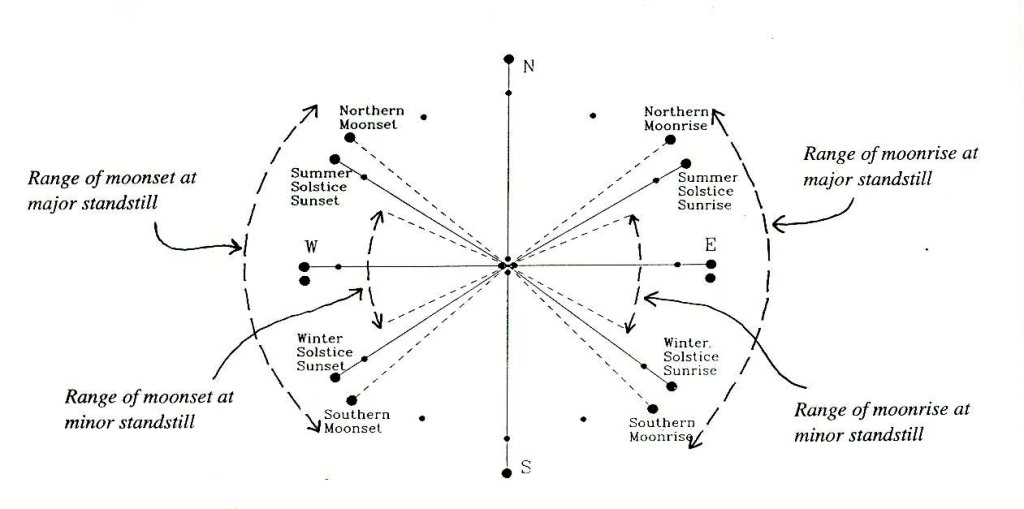
Image from https://www.umass.edu/sunwheel/pages/moonteaching.html
The 2006 Standstill
The most recent standstill was in 2006, and there is a blog by Gerald Ponting recording the event at Callanish, covering 11th-12th June: http://home.clara.net/gponting/page44.html
According to https://www.timeanddate.com/moon/@2653988?month=6&year=2006
The moon rose at 23:38 on 11th June, at 154˚ (about 25˚ East of South)
The moon set at 03:41 on 12th June at 205˚ (about 25˚ West of South)
The moon peaked at 01:40 on 12th June at an altitude of 2.8˚.
According to Gerald’s blog, the moon appeared above the sleeping figure at 12:11, and was clear of the horizon at 12:20. He didn’t see the ‘regleam’ where the moon re-appears momentarily before finally setting.
Drawing the 154˚ and 205˚ arcs on the map points roughly to the sleeping beauty (moonrise) and Glen Langadale (regleam). Both of these are on the southern part of Lewis. According to Margaret Curtis, Glen Langadale is hidden by hills to the south of Callanish, but the recleam effect is gained within the circle as the setting moon appears from behind the rocky hillock next to the circle (Cnoc an Tursa).
The 2024 and 2025 Standstill
The following moon data for Callanish illustrates that from June 2024 to June 2025, the effect repeats more of less the same, on a monthly basis. It is more easily observed at the full moons which occur near the Summer solstice.
Full moon near summer solstice 2024: 21st/22nd June
According to https://www.timeanddate.com/moon/@2653988?month=6&year=2024
The moon rises and sets at 23:26 (155˚) to 03:27 (205˚), meridian passing at 01:27 (2.7˚ altitude).
Spring equinox 2025: 22 March 2025
According to https://www.timeanddate.com/moon/@2653988?month=3&year=2025
The moon rises and sets at 04:30 (156˚) to 08:18 (204˚), meridian passing at 06:24 (2.4˚ altitude).
Full moon near summer solstice 2025: 11th/12th June
According to https://www.timeanddate.com/moon/@2653988?month=6&year=2025
The moon rises and sets at 00:02 (155˚) to 04:02 (205˚), meridian passing at 02:02 (2.7˚ altitude).
New Information!
A friend recently told me about an easier way of thinking about the timing of the major lunar standstills. They come about when the moon’s north node (the dragon’s head) enters the sign of Aries. This makes sense (I think), because the line between the moon’s nodes represents the axis of tilting of the moon’s orbit, and the line between 0˚ Aries and 0˚ Libra is the axis of tilting of the sun’s orbit, so when they align is when their tilts can add and subtract the most. This also has the benefit of being able to define a precise time for the standstill (even though it has a monthly effect for a couple of years). Using the moon’s true node position, the Ephemeris gives a date of 12th January 2025 for the next major lunar standstill. A similar lookup gives the date of the previous one as 22nd June 2006, and before that 3rd December 1987, 20th April 1969 and 27th July 1950.
New, New Information!
I’m told by those who know that the upcoming date and time for the dragon’s head passing through 0˚ Aries (for London) is 5:41pm on Saturday 11th January 2025.
Additional Reading material:
If you want more detail have a look at https://en.wikipedia.org/wiki/Lunar_standstill.
Archaeoastronomy for Archaeologists http://www.bajr.org/BAJRGuides/43_Archaeo-Astronomy/43_ArchaeAstronomy.pdf
Winter Solstice
The solstice marks mid-winter, the time when the sun’s path is lowest in the sky, nights are at their longest, and the days shortest. The sun has reached its weakest point, and light and heat are in short supply. It is a time to acknowledge the dark and the cold, but to carry the light and warmth through to the new year.
In the dark a new spark of light grows. This is a moment when change can take place.

The lead-up to the solstice has been unusually cold this year in Britain, and my attention has been focussed onto the temperature – by having my heating break down. How precious warmth and light is, but how easily we take it for granted. The one night of mid-winter is a good time to remember this, and to hold vigil for the light.
It’s not surprising that traditions for marking this time involve light or fire, for example lighting a candle in the dark, or burning a Yule log on the fire. For me, it’s fire embers glowing in the dark, or a candle lit in the room. I like to sit in silence with only the quiet sound of the fire. Of course, watching the sun set and then rise again is also an important part of marking the occasion. I try to keep an awareness of the sun travelling underneath the world from its setting to its rising.

Our ancestors clearly thought the winter solstice was important, and some particularly marked the mid-winter sunset. The Maeshowe chambered cairn on Orkney for example was designed so that the rays of the setting mid-winter sun would shine down the entrance passage to the centre of the tomb. The main alignment at Stonehenge is the mid-summer sunrise, and the mid-winter sunset.
In Carmina Geadelica, Alexander Carmicheal describes a ceremonial way of covering a peat fire for the night:
“The ceremony of smooring the fire is artistic and symbolic, and is performed with loving care. The embers are evenly spread on the hearth–which is generally in the middle of the floor–and formed into a circle. This circle is then divided into three equal sections, a small boss being left in the middle. A peat is laid between each section, each peat touching the boss, which forms a common centre. The first peat is laid down in name of the God of Life, the second in name of the God of Peace, the third in name of the God of Grace. The circle is then covered over with ashes sufficient to subdue but not to extinguish the fire, in name of the Three of Light. The heap slightly raised in the centre is called ‘Tula nan Tri,’ the Hearth of the Three.”
The following protective prayer might be said whilst covering the fire:
THE sacred Three
To save,
To shield,
To surround
The hearth,
The house,
The household,
This eve,
This night,
Oh! this eve,
This night,
And every night,
Each single night.
Amen.
After the long night, the sun rises again, now getting stronger, with the dark giving way to the light. It is a time for celebration and new beginnings. Some ancient places mark the sunrise instead of the sunset at mid-winter. For example Newgrange in Ireland has a specially designed roof-box which allows light from the mid-winter sunrise to shine into the central chamber.

Blessings for the solstice!
The Wearing of Horns
Part Three – the Unicorn
In the previous posts, I looked at the exercise of increasing awareness by the imaginary putting on of horns – antlers, ram’s horns, and now the horn of the unicorn. These days, images of unicorns are mostly found in children’s toys — white or glittery plastic, rainbow-coloured and imbued with a kind of whimsical innocence, or alternatively in the new-age resurgence of anything vaguely ‘mystical.’ As a symbol it is becoming harder to recover from its commercial accretions, though it has been the heraldic emblem of Scotland for generations.
The unicorn has been a symbol of purity and virginity as far back as Ancient China and fifth century Greece. In the Greek bestiary the Physiologus the unicorn is characterised as a fierce wild beast that can be caught only if a virgin maiden is put before it to entice it. The unicorn leaps into the virgin’s lap, and she suckles it and leads it to the king’s palace. In past legend, the horn of a unicorn could be used to purify water, or to neutralise poison. In the Italian Renaissance, the unicorn was used as a glyph to represent Christ himself. The thinking behind this was that Christ, like the unicorn, was ‘captured’ by a virgin. The British version of the unicorn myth has found popularity in the medieval legend of the hunt for the unicorn, in which myths of the religious and secular are combined.
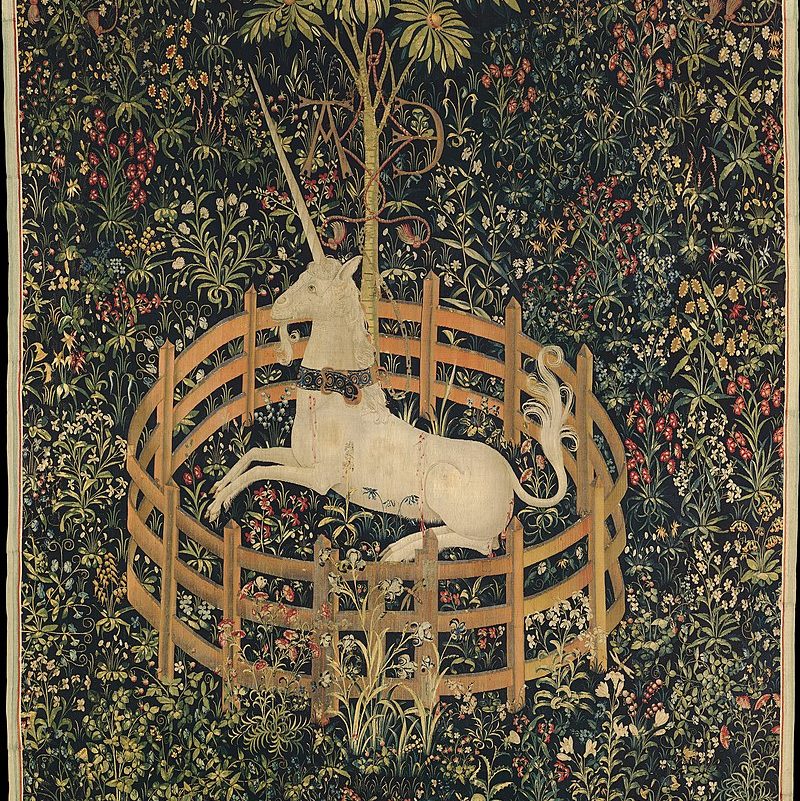
In the tapestries of The Hunt for the Unicorn (Above – Met Museum of Art), widely believed to be 15th Century Dutch, the wild unicorn must be captured by a virgin. The idea of taming the wild with some kind of symbol of purification is often found within these myths. Interestingly, in this series of tapestries the unicorn is captured and killed, but then is mysteriously alive again in the final tapestry, but controlled and held captive.
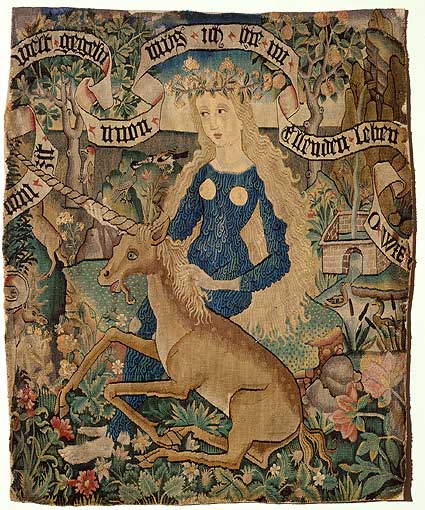
Other myths speak of the virgin taming the unicorn by placing its head in her lap. (see the Wild Woman tapestry at the top of this post). So there is something here about purity, about wildness and about taming and about coming back to life.
The unicorn horn is placed at the centre of the forehead, at the point of the ‘third eye.’ So what can we learn from imagining wearing the unicorns horn in an experiential way?
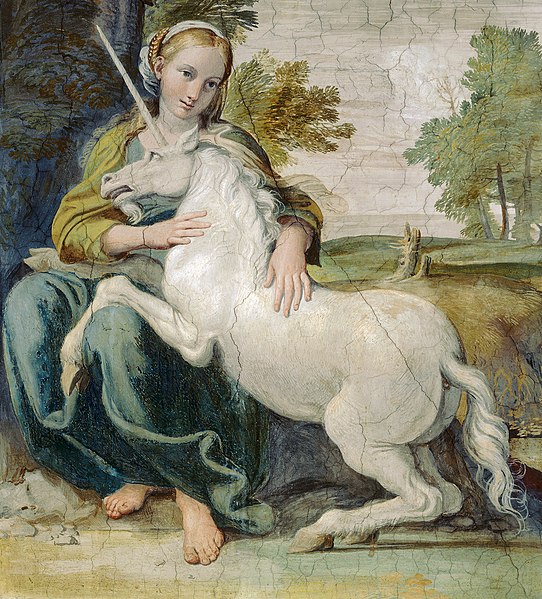
For me, the idea of one-pointed attention immediately comes to mind. It is possible to purify the attention; to make it virginal. Also to regard the horn as a symbol of the extended attention. It is making visible something that is not actually visible in the way that only symbols can.
When paying attention to something I am apt to put my attention on the object I am looking at. Very rarely do I examine the attention itself; the invisible connection between the object and myself. Wearing the unicorn’s horn reminds me to do that; to feel the narrowing focus and try to sense not only the object but the connection.
Full perception takes me out of my idea of myself, out of my thoughts and emotions, and enables more clarity and accuracy of vision. For the root of illusion is in weak attention; that animal awareness (wildness) and experiencing my thoughts cannot co-exist because I haven’t trained them to do so, or haven’t enough energy to keep the connection. So it is ongoing work, like training a muscle to function. And there is always further to go!
Imagining the horn makes me conscious of where my attention is, and how quickly it moves from one thing to the next. Why not try on the unicorn horn for size, and see if you can find a way to settle in the virgin’s lap.
Finding myth and legend in the modern world

Take a trip to Wales
One of the myth cycles I like to work with is the Welsh Mabinogion. A myth is like a storage battery that holds the ideas, symbology and wisdom of an earlier generation. It points to something bigger; something that goes beyond words and into a realm of more possibility. It untethers us from a world where we think we know reality. By studying myth and working with it, its power can be unleashed and access to its rich content can become present in our own lives.
Whilst on holiday in Barmouth recently we were astonished to find several of the Mabinogion stories painted in rich detail on the walls of the Royal Hotel by artist Mervyn Rowe. We couldn’t have chosen a better place to stay! The stories include Bran and Branwen, Ceridwen, Rhiannon and many more. The whole hotel is covered in paintings and is well worth a visit just to follow the panels of the stories and reconnect with the myths.

Above: From the myth of Rhiannon, Pryderi finds a fountain with a golden bowl fastened by four chains. Having been told by Manawyddan (son of Llyr) not to touch it, of course he does – and is promptly glued to it. On the right, Manawyddan prepares to harvest his grain, which is about to be devastated by a plague of mice. When he catches one of the fleeing mice, he vows he will try and hang the beast.
So what do these stories mean? Well, one good way to find out is to ‘stand them up’, ie to enact them. You can do this as a group, or alone. With proper awareness, these storage batteries reveal truths that perhaps were not so obvious until you see and feel them in action. Bringing them into the physical world allows us to encounter them anew.
Visit the Centre for Folklore, Myth and Magic
Todmorden has been a centre where many of the people in this tradition or associated traditions used to meet. So it was especially interesting to discover that there is now a Centre for Folklore, Myth and Magic based there. They have a cafe, a library, a place for archives and research, and also some events, mostly based around storytelling, or workshops with natural crafts. Well worth a poke around if you are in the area, and you can join their library, which holds the archives and 5000 re-homed books from the Museum of Myth and Fable. Where exactly is it? 65, Halifax Road, Todmorden OL14 5BB
You can also listen to a story being told via The Society for Storytelling. British myths have been passed on in this way informally, but also via public performances for generations. The live presence of the performer and audience in their ‘once upon a time’ can be transformative.
A Book at Bedtime – Transporting Reading
There are many books about our British myths, some good, some bad, and some downright dangerous. The Mabinogion is a rich source to explore. Many re-tellings of these myths have a particular slant, a psychological approach, a feminist perspective, or perhaps an attempt at reconstructing the history, or adding more modern accretions of meaning.
With myth, it is best not to nail it to any one meaning or interpretation, but allow the myth some breathing space. With myth we are heading further into the unknown, a place where what is considered ‘normal’ can be turned on its head.
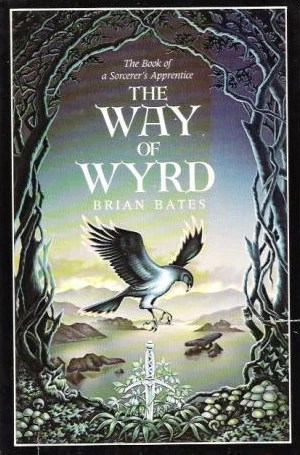
A book I can recommend to give a flavour (though not the form) of the shamanistic side of the work I like to do in the British Mysteries is The Way of Wyrd – Tales of an Anglo-Saxon Sorcerer by Brian Bates. This is a novel based on the author’s research project into the psychology of shamanism. He based it on a collection of Anglo-Saxon manuscripts in the British museum. The events and detail of the teachings that the apprentice must navigate have been reconstructed from these manuscripts, and the novel makes interesting reading for anyone engaged on this path.
When once you work with myth, the mythologizing of your own life becomes startlingly apparent, and you cannot help but begin to sense the unknowable presence that animates the story.

Ivy Flowers
This time of year ivy comes into flower. The intense perfume of the blossoms has a clean, cold almost otherworldy smell. The flowers also attract the attention of insects, which swarm around this late-season treat. Later in the year, the black berries will form – food for the pigeons during the worst part of the winter.
Ogham and the Celtic Calendar
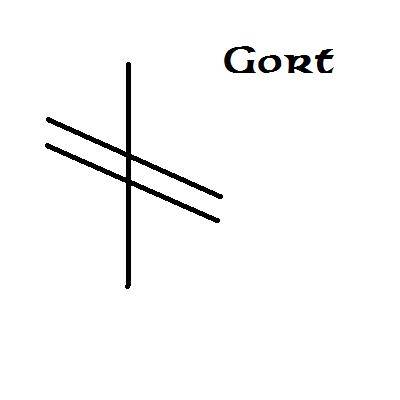
The poet Robert Graves, in his book The White Goddess, associates Ivy with the Irish Ogham letter gort, and the month running from 30th September to 27th October, a time when here in southeast England the ivy flowers are beginning to fade. There are just a few left at the moment,
There’s plenty to read on the associations that Graves and others make with Ivy (see the links below) but you can also try to make your own connection with a plant or tree and see if part of its nature is revealed to you. Reading what others have written is useful, but you don’t have to be bound by it.
Here are a couple of links you can read on Ivy:
- Elen Sentier’s page on Gort
- History and Medical information from A Modern Herbal
Robert Graves’ associations for the tree calendar originate in an old Welsh poem in the book of Taliesin called Kat Godeu, or Battle of the Trees. The lines about Ivy run as follows (in a modern translation by Marged Haycock):
Privet and honeysuckle,
and Ivy, despite his appearance,
how fiercely [did they go] into the fray!
What does this tell us about Ivy? For one thing, perhaps that his appearance is deceptive!
Seeing for ourselves
How do we approach Ivy – or other plants or trees – to find out more about them? Perhaps we can divide our approach into three categories:
Observation – we can use our senses to try and see ivy – look close, watch it in different contexts, in different seasons. Spend time with it. Use other senses: smell, touch, taste (after of course checking to make sure it isn’t poisonous!), maybe sound?
Investigation – this is where reading can come in, finding out about Ivy, but also we can also try our own experiments. What can we use Ivy for? What can we make from it? How does it fit into the local ecosystem? What does it do?
Experience – maybe we can interact with ivy on a different level, where we are not dealing with it as an object in our familiar world, but as an agent in a bigger, less familiar world. Perhaps we can meet the ‘spirit of the ivy.’ To do this we would need to keep a level of inner silence so that we can perceive the ivy, and also a certain courage to allow us to meet the spirit of the ivy as equals.
The Three Winter Berries
The berries of mistletoe, holly and ivy work together in the winter woods. Mistletoe – the golden bough of the druids – born from heaven without touching the ground. His berries are white – the male seed. Holly is shiny and sometimes prickly, flickering light in its leaves. Her berries are red – the female seed. Ivy climbs around and over the other trees and its berries are black – the seed of spirit. Together the three winter berries echo the beginning of the world.

The Diamond Mirror and the Four Worlds – Part 2
The Elemental world
“It is like standing by a lake… On the surface we see the reflection of the world, but in the depths there are those mysterious things that alchemists show in their books – dragons, ravens, eagles, wolves, suns, moons, and the like.”
Sphaera Elementum, from Liber Sphaerae by Colin A. Low
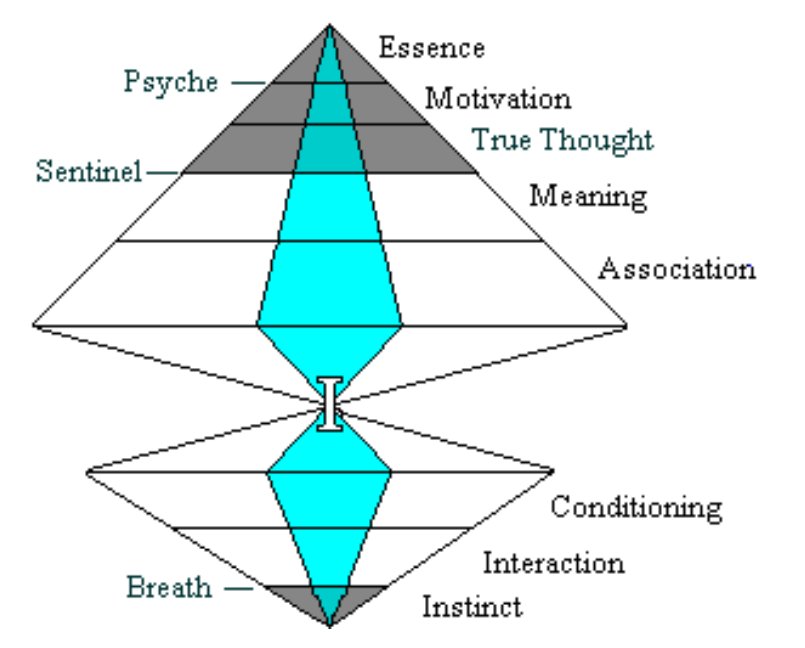
The Diamond Mirror is centred on our sense of ‘I’, with the familiar world around it, shown in white on the diagram below. As discussed in Part 1, we can become more aware of the workings of this world, but the diagram also shows other, less familiar parts of our being, which operate outside the familiar world, often without our awareness.
Instinct and the Elemental world
At the base of the Diamond Mirror is instinct. When we were born, instinct was all that we had. Our bodies worked, we breathed, cried, shat and suckled. Instinct still lives in us. We can be more or less aware of it, and we only have a little control. For example we can adjust our breathing, and breath is an important gate into instinct.
We call the world of instinct the Elemental World. This emphasises the physicality of the world – made from the four elements of fire, air, water and earth.
We may think that we live in the physical world, but we’re not really aware of it. It’s a bit like the two pictures below – zooming in on a carrot in a magazine picture, we see the reality behind the illusion: just coloured dots. We see an alien world under our familiar one.


Extending your awareness
You can extend your awareness and move beyond concepts and constructs towards the raw physical reality you are part of. You could spend a little time out in nature. Settle down and try to be aware of your body, and of the reality and individuality of living beings around you. Set aside your own thoughts and preoccupations for a while. Be aware of the clouds moving in the sky, the air moving on your skin.
“The gods of ancient Ireland, the Tuatha De Danaan, or the Tribes of the goddess Danu, or the Sidhe … the people of the Faery Hills … still ride the country as of old. Sidhe is also Gaelic for wind, and certainly the Sidhe have much to do with the wind. … When the country people see the leaves whirling on the road they bless themselves, because they believe the Sidhe to be passing by.”
W.B. Yeats’ Notes on his poem The Hosting of the Sidhe

[Public domain], via Wikimedia Commons
Can we? Should we?
Before we begin exploring unfamiliar worlds, we should be aware of the potential dangers. There are borders to the unfamiliar worlds for good reasons. For example, interfering with the automatic processes of the body such as breathing can sometimes lead to problems. Maybe it’s dangerous or unnatural to extend our range – after all, we can get by in the familiar world, and in a sense it’s designed for our comfort: in fact we ourselves have designed it for our own comfort. Many people live all their lives in the familiar world with maybe just a glimpse outside it now and then. But for some people it’s not enough. It’s true that there is danger in going beyond the familiar world, and it is important that we have a strong foundation in the familiar world before attempting to explore beyond it. There are stories of problems that meet the incautious visitor to the otherworld.
Merlin’s warning in the Ballad of Childe Rolande:
“After you have entered the land of Fairy… bite no bit, and drink no drop, however hungry or thirsty you be; drink a drop, or bite a bit while in Elfland you be and never will you see Middle Earth again.”
Our body is our passport
The elemental world has many different scales, from the smallest particles up to the largest clusters of galaxies. It also includes the messy internals of our own bodies: the sinews and flesh, the guts and pulsing heart. It can be an uncomfortable places for us to visit because of its rawness and sometimes scary power and scale.
One way into the elemental world is through the body, where instinct rules. Think about your body. It has amazing intelligence and endurance. It preserves itself, fighting off disease and repairing damage. It can deal with a wide variety of food, transforming whatever you eat to sustain and fuel itself. It can adapt to different environments, and activities, employing long-term and short-term strategies for survival. But you are probably not aware of all this intelligence and activity unless something goes wrong.
At the borderline of the familiar world is breath. Breathing can be automatic, but it can also be under conscious control. The nature of your breathing tells you something about the state of our body, and being aware of the breath can help you to be fully present.
There are many practices which can help us to become more aware of the body and the breath. One that I personally find helpful is the first part of this morning exercise.
I’m in a stone circle in the middle of the night. I’ve been here a while, keeping a vigil, and my hold on the familiar world is beginning to loosen. Standing in front of one of the large stones, I see it begin to come to life, breathing in and out.

Is it real?
One of the key issues that we deal with in going beyond the familiar world is the question ‘So is it real?’ Experiences we have outside the familiar world by definition don’t make sense and can’t be explained, so we are inclined to either reject them or attempt to rationalise them. A more profitable approach is to leave the experiences as they are without trying to explain them, or to fit them into our familiar world-view.
And you?
How about you? Have you had any strange experiences? You could ask your friends if they have – you might get some interesting stories!
Next time…
More to come on the Dragon World and the Shining World!
An Oral Tradition
The British Mysteries is an oral tradition. This means it is handed from one person to another in a living chain. There may be many people in the chain or few, but the old adage ‘when the student is ready, the master will appear’ is often true.
An oral tradition relies on human interaction. This means that your ‘master’ is likely to be just another ordinary human being. Actually I prefer to use the word ‘guide’ as this is the role that includes everyone and does not have the idea of one person being somehow ‘higher’ than the other. The only difference between you is that the guide will be able to show you some signposts.
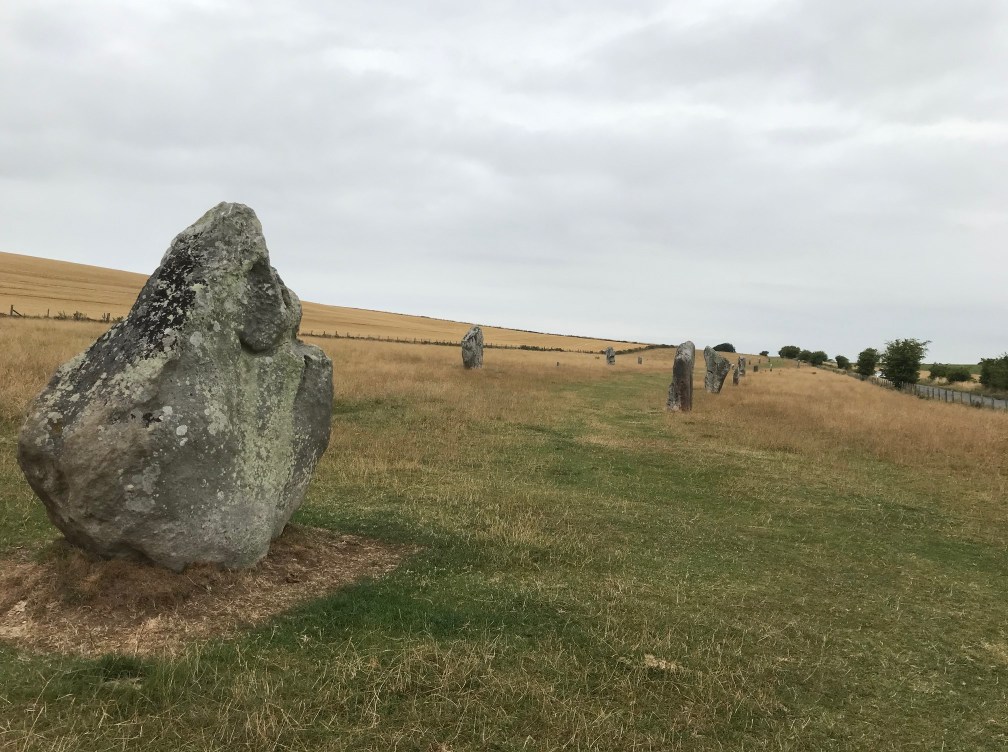
Recently I was at Avebury where there is a great avenue of stones that points the way to the main circle, or gathering place. Once you are at the bottom of the hill facing the stone pathway it is obvious where to go. You follow the stones like a bird following breadcrumbs. At one point the stones disappear because a road has been built through the middle of the approach. A bit of searching, and they reappear, but if they did not, you might need a guide to help you find the next sign. The guide’s function in this oral tradition is to place the signposts for you to follow. You still need to make the journey yourself. A real guide will not make promises, tell you what you will find when you get there, or spoon-feed you answers.
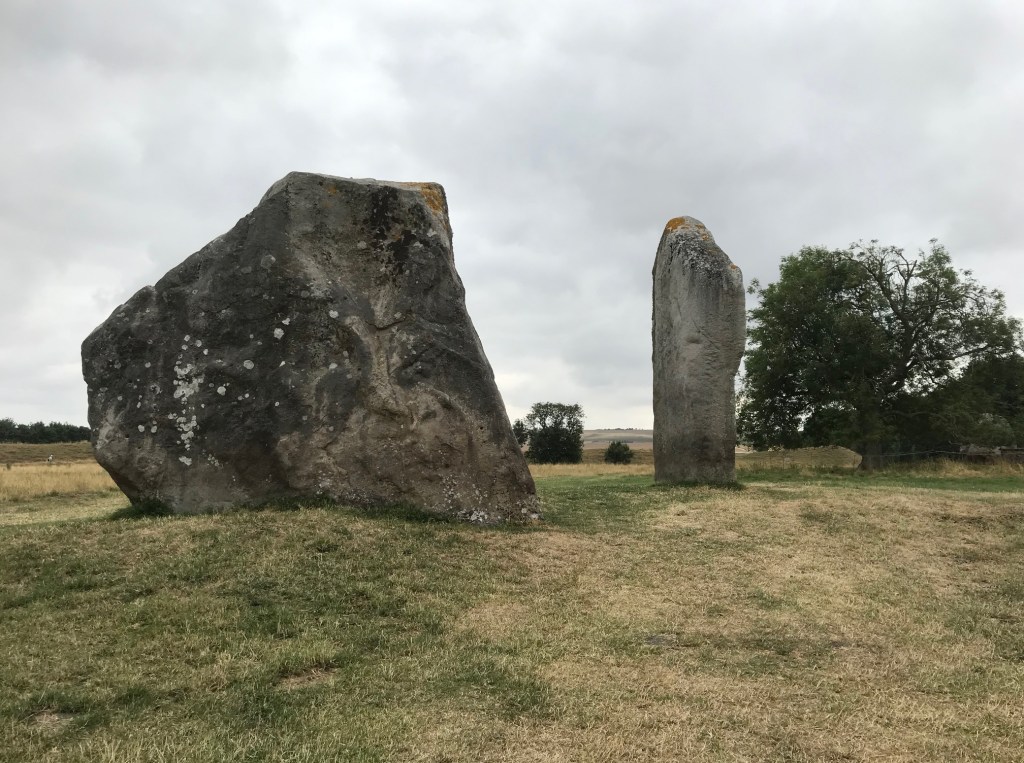
Gateway
One of the pitfalls of looking for someone to be your guide is that you might look for someone extraordinary. Someone wreathed in a golden glow or with thousands of online followers. Real guides are not gurus and don’t need fanfares. They often work quietly, encouraging their few students by their example of a balanced life, and their in-person presence. I’ve been lucky enough to meet several of these people with wisdom and experience, and they all watch TV just like everyone else. They live in this world, but have access to a greater one.
A guide’s function is to act as a gateway – to show you different ways of paying attention and to give you a structure which will enable you to make sense of these different modes of being. (see this post) You can learn a lot on the internet, (or I wouldn’t be writing this!) but most of this is information, not knowledge. In our tradition we make a distinction between these different forms of knowing – knowledge is only gained by direct experience and not second-hand from someone else. For example; it is the difference between someone explaining in words how to ride a bike from the actual practice and skill of balancing on that very wobbly saddle.
Why seek out an oral tradition?
The British Mysteries are mysterious. And the mystery is not easily explained. It needs to be grasped with all your senses if you are to catch a whiff of it. The old welsh bards called this whiff ‘Awen’.
Awen describes the invisible inspiration of the poets, or bards, or anyone possessed of a kind of flowing energy, or a force that flows with the essence of life.
Where does this inspiration come from? The Book of Taliesin describes this as proceeding from a trinity:
ban pan doeth peir
ogyrwen awen teir
Translation: “the three elements of inspiration that came, splendid, out of the cauldron”.

But the word ‘peir’ (cauldron) can also mean ‘sovereign’ often with the broad meaning of God or the Divine. Awen is sometimes characterised as consisting of three sub-divisions – the ‘ogyrwen’ of the quotation, so ‘the ogyrwen of triple inspiration’ is suggestive of a structure of three-ness.
A guide might point you to this idea of three-ness and suggest various ways to see this in action. (see the previous post https://ynysprydein.org/2022/06/10/the-bull-tor-triangle/)
Want to find out more? Contact us.
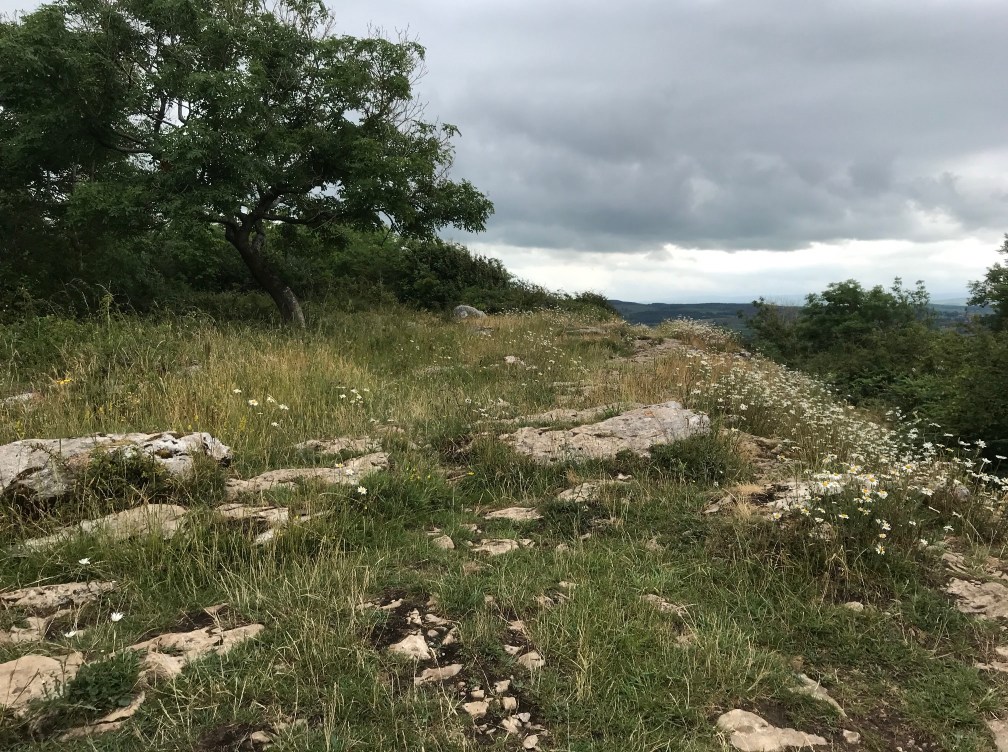
Nature Practice
Nowadays, for many, walking in nature has to be a discipline and a practice. In previous eras it was a necessity, but now people can go weeks or even months without any contact with nature.
The best way to explore our natural landscape is to go alone. Anywhere will do, but the further from traffic, people, and buildings, the better.
Often the natural world has remained unchanged for generations. Even if the landscape itself has altered, the elements of nature – earth, sky, the changing weather, still exist as they did for our forefathers.
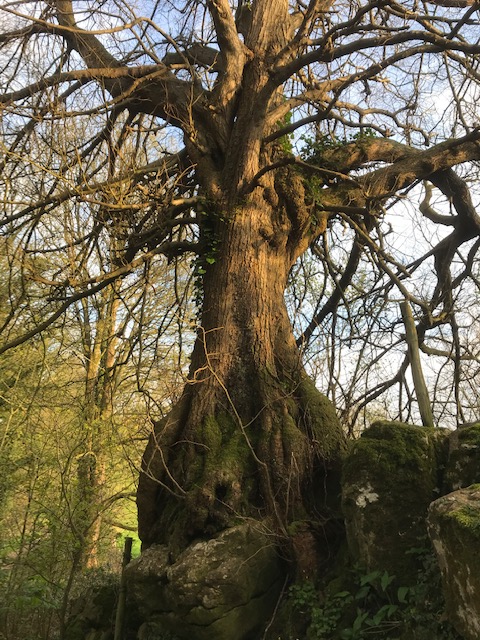
The benefits of a regular ‘nature practice’ are many.
When we go into nature we escape from other people; it is people that cause us to harden our identity into someone they can recognise as unchanging. Without the reinforcement of other people we are free to drop our egos and our conditioning and spend some time in just ‘being.’
The presence of trees, grass, and flowers, which do not speak or seek to persuade us of their opinions, can encourage the walker to do the same, to let go of the need to project anything of our ‘selves’.
The gentle rhythm of breath and footsteps can lead to a quietening.
In the quiet of nature we are more inclined to listen – not for anything in particular, but to sense our surroundings more intensely. The wind, the direction of the sun, the ground under our feet, the buzz of insects, the cry of a bird. It is surprising what insights these can bring.
Many people are hardly ever alone and are afraid of being alone in a remote location. We are lucky in England that predators are few, but we can still use the fear of being alone to our advantage. It makes us more alert, we become more like what we are – an animal in the wild.
In this alert state, with our senses open, we are at once both bigger and smaller – we are in an expanded condition, yet small in comparison to the immensity of nature and its longevity.

There are special places in the landscape that people have sought out for generations – a spring, a lake, a mountain top, a particular tree. These are places of pilgrimage. The English term ‘pilgrim’ originally comes from the Latin peregrinus (per = through and ager = field or land), someone on a journey. Often the sites have been marked in some way, but you could always find your own resonant spot, and mark it yourself.
A regular journey to the place you have chosen will mark that place for future pilgrims, even if there is nothing externally visible – very much in the way that continual journeying across a field wears a footpath. The process of doing this regular practice, alert to the changes of seasons both inside and outside yourself, is the transformative thing.
Honouring the landscape in this way, by your particular and decisive presence, connects you to all the others who have done the same, those from before, and those that will come after you.
When your time is over, the traces of your practice will still remain.
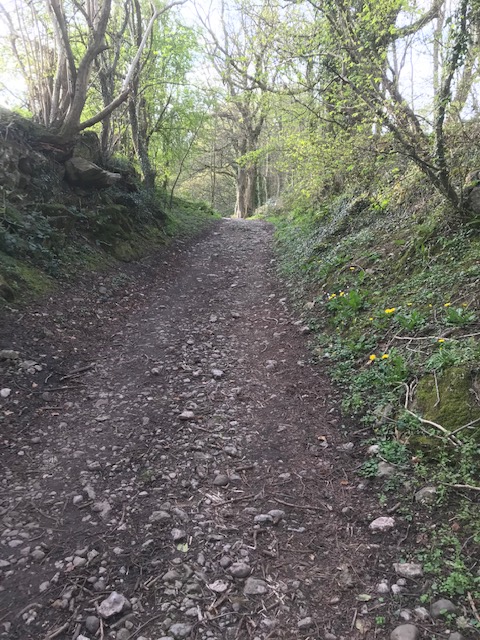
The Bull Tor triangle
There’s a part of us that likes patterns, and this can be played out in the landscape through alignments marked by ley lines or more complex arrangements like the Glastonbury zodiac. Significant places are linked together in a pattern, which amplifies their significance.
In the Peak District of Derbyshire, there is a triangle formed by three ancient sites: in the northwest, the Neolithic henge circle called The Bull Ring, in the northeast, the Eyam Moor stone circle called Wet Withens, and in the south the Arbor Low stone circle.

The triangle is not quite equal-sided. The distance between The Bull Ring and Wet Withens is about nine miles, compared to more than ten miles for the other two sides.
This triangle is a central theme in a recently published book called The Dancing Circles, by Andy Leaver Davies. I really enjoyed the book, which describes a tradition of journeying between the circles, and performing particular exercises at each of them. So here’s a bit about the circles and how they are described in the book.
The Bull Ring

The Bull Ring is located on the edge of the village of Dove Holes, by the Cricket Club and Football field. It may have been a stone circle once, but now all that is left is a round circular earthwork with a mound in the middle. In the book, The Bull Ring is used as a place to bring the body into balance, using a simple circle dance.
Arbor Low

The 50+ stones which make up Arbor Low are all on their sides now, on a raised mound surrounded by a ditch and earthen bank. It’s located on high moorland, with long sight-lines to the horizon. In the book, Arbor Low is a place to learn how to open up and apply the mind.
Wet Withens

For me, Wet Withens is the most elusive of the three circles – it took me three trips before I found it! Located on a gentle slope overlooking the River Derwent, the stones are mostly hidden in the heather, but there are a few large ones. The photo shows the largest stone, called the ‘Chair Stone’ (because of the ledge cut out of its face). Notice the similarity in shape of the top of the stone with the outline of Higger Tor on the horizon behind it. In the book, Wet Withens is linked to the development of feelings.
Bull Tor
Roughly at the centre of the triangle is a hilltop by the river Wye called Bull Tor, and in The Dancing Circles, this is the central place of the triangle, where the journey leads after building strength in the body, opening the mind, and developing the feelings. In the book, Andy’s teacher Tom talks about the people who started the journey and built the stone circles:
“For them, life was hard, dealing with pain, death and suffering. They had to look to their bodies to stop them getting ill. They had to learn about time and how to use it, because life was short. They had to learn to see through pain and suffering to the meaning behind it all. So they learned to join themselves to the land, to what came before and to what was to come. They learned to make themselves part of something, to see their short lives as a part of something bigger so that no matter how short, each life was part of the big plan. And they had to pass this down to the next generations so that each knew of their part in that bigger world. Their feelings of anger, hate, and love meant nothing by themselves. They just come and go like life comes and goes. If it’s not joined to something bigger, it means nothing at all. But if those feelings can be joined to something bigger, it can make them grow so someone can have feelings bigger than themselves. When that happens, all the pain and suffering can be put up against the bigger feelings and can have a meaning. The meaning in everything becomes clearer. There is still and always will be pain, but like life, it will come and go. The world can be faced.”
The Dancing Circles, p.148
Notes and Links:
The Dancing Circles: An extraordinary journey to a different way of living, Andy Leaver Davies, ISBN Dancing Circles Publishing (6 April 2021), 978-1838487515. Available on Amazon:
The Bull Ring on Megalitihic.co.uk
Arbor Low at English Heritage
Wet Withens at stone-circles.org.uk
 Ynys Prydein - the British Mysteries
